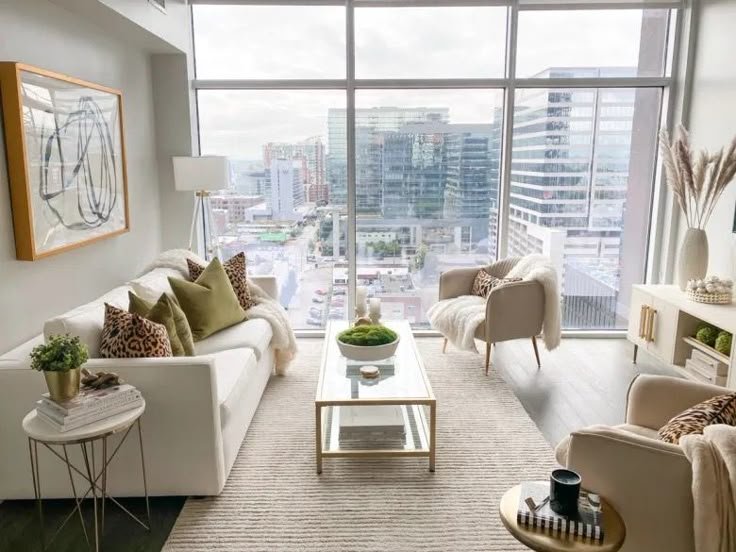
13 Ways to Make Small Living Room Look Bigger
This site contains affiliate links. I may earn a small commission, at no extra cost to you.
Let me guess. You love your home, but your living room feels like it shrank overnight. The couch feels closer, the walls feel tighter, and suddenly you’re playing furniture Tetris every time guests come over.
I’ve been there. I’ve lived in small apartments, awkward layouts, and one living room where opening the door felt like a full-body workout. The good news? You don’t need to knock down walls to fix this.

Learning how to make a small living room look bigger changes everything. With the right tricks, your space can feel open, calm, and yes, actually livable.
I’ve used these ideas in my own homes and helped friends rescue their tiny living rooms from clutter chaos. Let’s talk about what actually works and what just looks good on Pinterest.
Why Small Living Rooms Feel Smaller Than They Are
Before we jump into the 13 ways to make a small living room look bigger, we need to talk about why these spaces feel cramped in the first place. Most people blame square footage. I blame bad layout choices and visual clutter.
It’s Not the Size, It’s the Setup
I’ve seen small living rooms feel airy and large ones feel suffocating. The difference always comes down to flow, furniture scale, and visual balance. When furniture overwhelms the room, the space feels tight instantly.

Ever noticed how one oversized sofa can ruin everything? Yeah, I’ve made that mistake too.
Light, Color, and Perspective Matter More Than You Think
Your eyes play tricks on you. Dark corners, heavy colors, and blocked light make a room feel boxed in. When light moves freely, your brain reads the space as larger. Simple psychology, big payoff.
Ask yourself this. Does your living room let light travel, or does it trap it?
What People Really Search When They Want a Bigger Living Room
Most people don’t search for magic. They search for practical fixes that don’t require renovations. That’s why the best ways to make a small living room look bigger focus on smart styling, not expensive remodeling.
Common Pain Points I Hear All the Time
- Furniture feels too big
- Storage looks messy
- The room feels dark
- There’s no breathing room
- Decor feels cluttered

Sound familiar? Good. That means you’re in the right place.
The Goal Isn’t Empty, It’s Balanced
You don’t want your living room to look empty or cold. You want it to feel open, cozy, and intentional. Think curated, not crowded. Comfortable, not cramped.
Now that we’ve covered the why, let’s get into the good stuff.
1. Use Light Colors to Open Up the Space
This tip shows up everywhere because it works. Light colors reflect light, which instantly makes your living room feel larger. I’ve tested this personally, and the difference feels dramatic.
Walls That Visually Expand
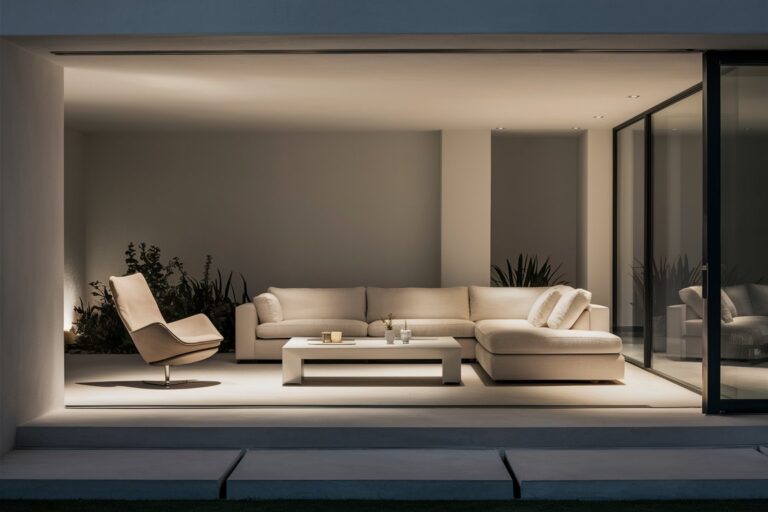
Soft whites, warm creams, pale greys, and light beiges work wonders. They bounce light around instead of swallowing it. When I painted my tiny living room a warm off-white, it felt like I added square footage overnight.

Best light wall color options include:
- Soft white
- Creamy beige
- Pale greige
- Light taupe
Dark walls can look stunning, but they demand space. Small living rooms rarely forgive them.
2. Choose Furniture That Fits the Room
Oversized furniture kills small living rooms faster than clutter. I learned this the hard way after squeezing a chunky sectional into a tiny space. It looked cozy in the store. At home, it looked ridiculous.
Scale Matters More Than Style
Pick furniture that matches your room’s proportions. Slim arms, raised legs, and clean lines help everything feel lighter.

Furniture features that help a small living room look bigger:
- Raised legs
- Narrow arms
- Low backs
- Open bases
Ever noticed how mid-century furniture works so well in small rooms? That’s not an accident.
3. Let Your Furniture Float
Pushing everything against the walls feels logical, but it often backfires. Floating furniture creates visual depth and improves flow.
Give Your Room Some Breathing Space
Pull your sofa slightly away from the wall. Float accent chairs instead of lining them up like soldiers. Even a few inches can change how the room feels.

I resisted this idea for years. Then I tried it once and never went back.
4. Use Mirrors to Create Instant Depth
Mirrors feel like cheating, and I love them for it. They reflect light and trick your eyes into seeing more space.
Strategic Mirror Placement
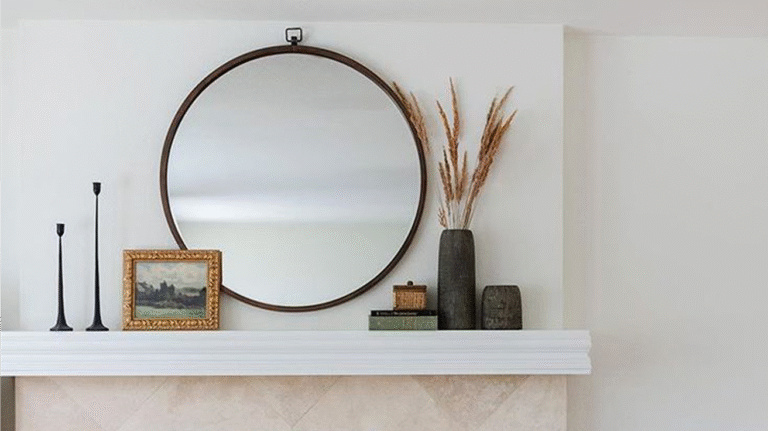
Place a mirror across from a window to double the light. Hang a large mirror instead of several small ones to avoid visual clutter.

Mirror tips that actually work:
- One large mirror beats multiple tiny ones
- Leaning mirrors feel casual and open
- Thin frames keep things light
Ever wondered why designers use mirrors so much? Now you know.
5. Keep the Color Palette Consistent
Too many colors chop up the space visually. A consistent color palette creates flow, which makes a small living room look bigger.
Stick to One Main Palette
Choose one primary color and layer similar shades throughout the room. This doesn’t mean boring. It means intentional.

When everything feels connected, your eye moves smoothly. That movement creates the illusion of space.
6. Maximize Vertical Space
When floor space runs out, go up. Vertical space often sits unused in small living rooms.
Draw the Eye Upward
Tall shelves, vertical artwork, and floor-to-ceiling curtains make your ceilings feel higher.
Vertical tricks I swear by:
- Hang curtains close to the ceiling
- Use tall bookcases instead of wide ones
- Choose vertical wall art

High ceilings make rooms feel bigger. Even when they’re not actually high.
7. Choose the Right Rug Size
A rug that’s too small makes your living room feel cramped and awkward. This mistake shows up constantly, and I still see it in professionally styled homes.
Go Bigger Than You Think
Your rug should anchor the furniture, not float in the middle like an island.

Rug placement rules for small living rooms:
- Front legs of furniture should sit on the rug
- Avoid tiny accent rugs
- Use one rug instead of layering
A properly sized rug visually expands the room. Magic? No. Optics.
8. Use Multi-Functional Furniture
Small living rooms demand furniture that works harder. If it only does one thing, it better do it very well.
Furniture That Earns Its Place
Storage ottomans, nesting tables, and sofa beds save space and reduce clutter.
My favorite multi-functional picks:
- Ottoman with storage
- Coffee table with shelves
- Slim console tables

Less furniture with more function always wins.
9. Declutter Like You Mean It
No design trick survives clutter. I don’t care how pretty your decor looks. Clutter makes everything feel smaller.
Edit Ruthlessly
Keep what you love and use. Store or donate the rest. Your living room doesn’t need to display your entire life story.

Ask yourself this. Does this item add value or just take space?
10. Use Glass and Lucite Pieces
Transparent furniture feels lighter because it doesn’t block visual flow.
Invisible But Effective
Glass coffee tables and acrylic chairs almost disappear, which makes the room feel more open.

I avoided glass furniture for years. Then I tried it once. Game changer.
11. Keep Window Treatments Light
Heavy drapes eat up visual space. Light, airy window treatments let light flood the room.
Let the Light In
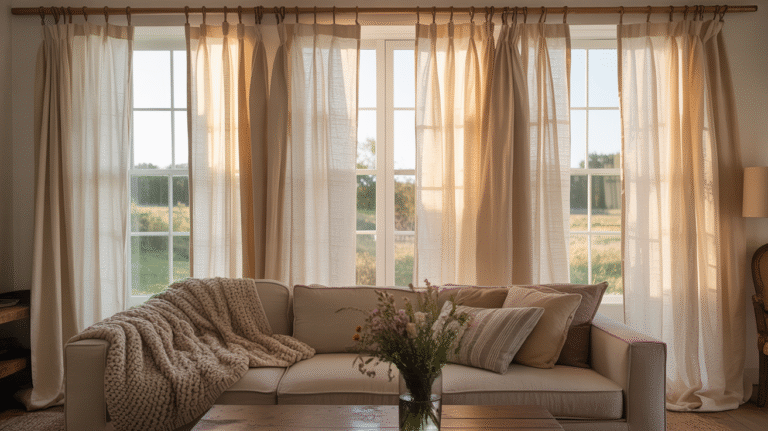
Sheer curtains or light linen panels work beautifully. Mount them high and wide to make windows look larger.

Window tips that make a difference:
- Avoid heavy fabrics
- Hang curtains higher than the window
- Keep colors light
Natural light makes everything better. Always.
12. Limit Decor and Go Bigger
Too many small decor pieces create visual noise. Fewer, larger pieces feel calmer and more intentional.
Less Stuff, More Impact
Choose one statement artwork instead of a gallery wall. Pick one large plant instead of five small ones.

Small rooms need clarity, not chaos.
13. Create Clear Pathways
Blocked walkways shrink a room instantly. Flow matters more than people realize.
Design for Movement
Make sure you can move easily through the space without weaving around furniture. Clear paths make rooms feel larger and more comfortable.
When your body moves easily, your brain reads the room as spacious.
Final Thoughts on Making a Small Living Room Look Bigger
Making a small living room look bigger doesn’t require expensive renovations or professional designers. It requires smart choices, honest editing, and a little visual trickery. I’ve used these 13 ways to make a small living room look bigger in real homes with real limitations, and they work every single time.
Start with light, scale, and layout. Edit your space with intention. And remember, small doesn’t mean boring or uncomfortable. Small can feel stylish, open, and surprisingly spacious when you know what you’re doing.
So tell me. Which tip are you trying first?